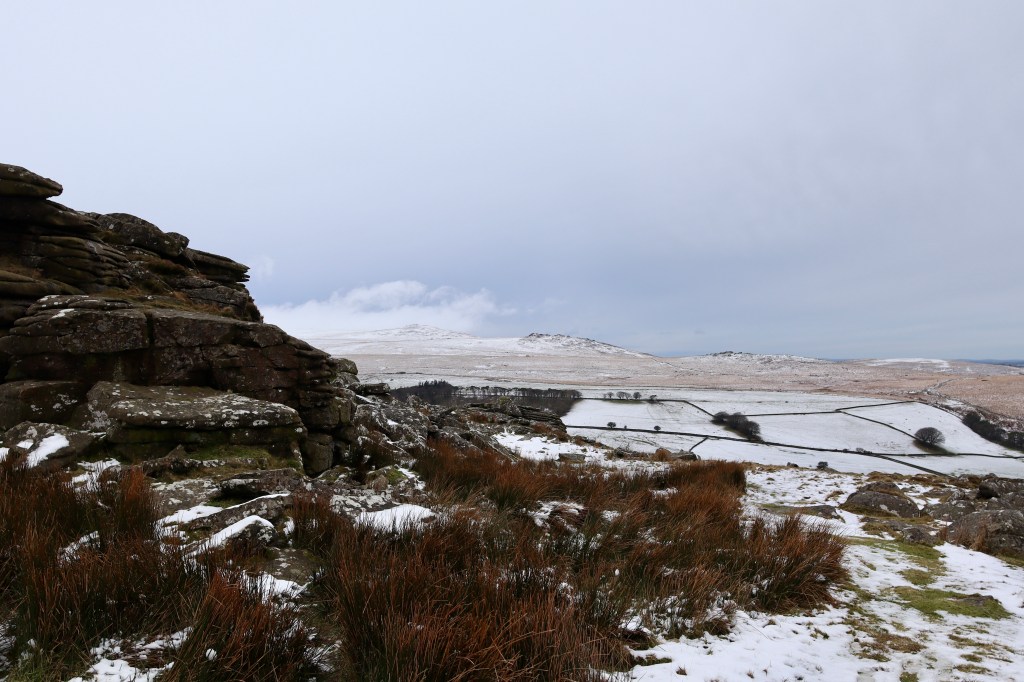
Wintery conditions when it comes to hiking means pretty much any time that there’s snow or ice on the ground and, as such, wintery conditions can occur at any time of the year (even June if we look to the highlands). That being said, wintery conditions are much more likely in winter and one thing is certain, winter is always just around the corner. Having just come of the snowy, icy hills, I thought I would put some top tips for hiking in wintery conditions together.
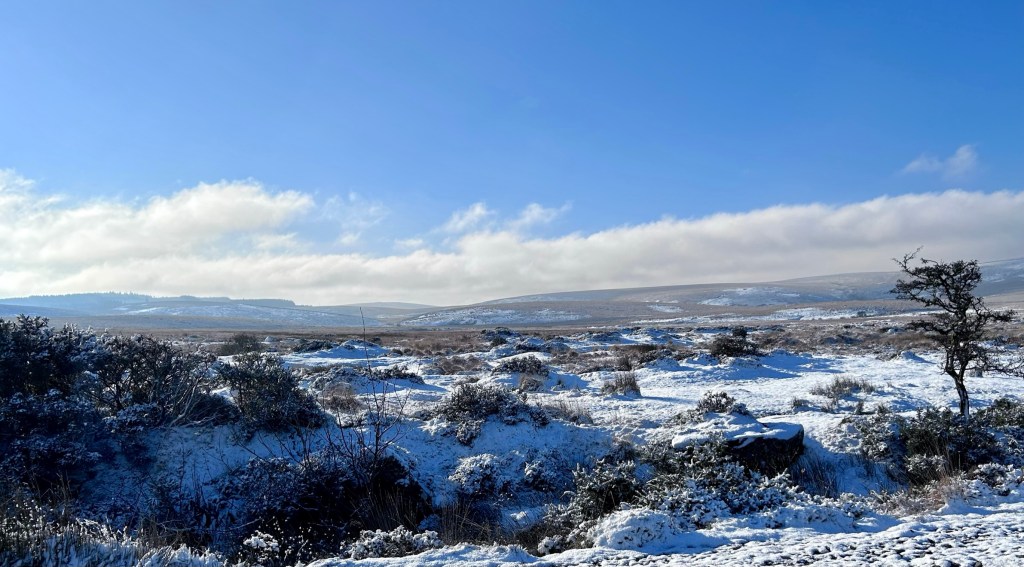

There are loads of plus point to hiking in wintery conditions and they will vary from person to person. The hills tend to be quieter, the challenge (and therefore reward and sense of accomplishment) is more, your fitness is pushed harder (and therefore you get better “gains”) and looking out over snow covered hills is truly spectacular. That being said, hiking in wintery conditions is not like hiking in summer and the risks are definitely higher. Knowing what to expect and planning ahead will keep you safe, so see my top tips below (and please feel free to add your tips in the comments too).
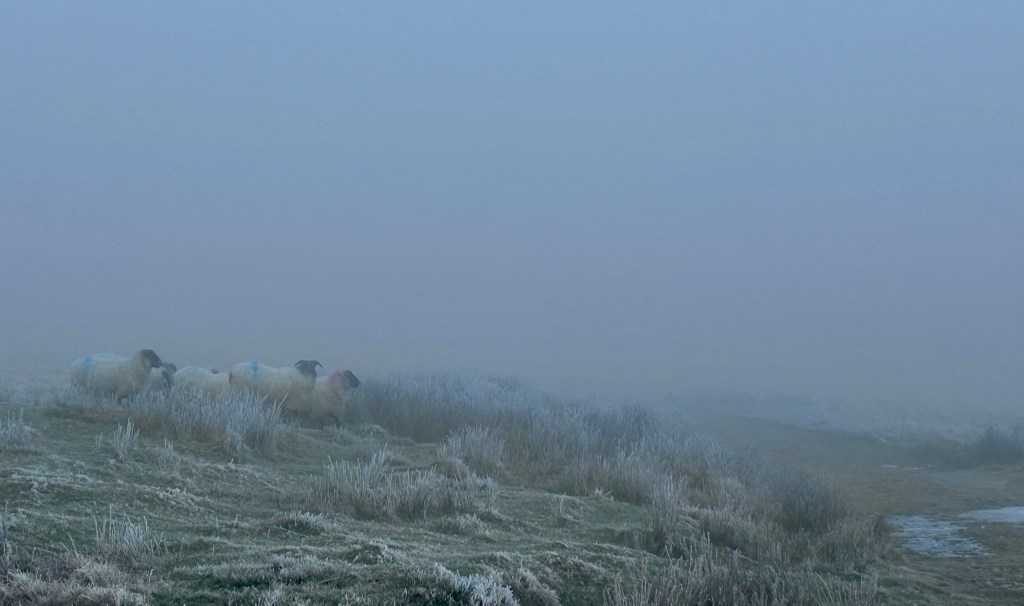
PLEASE NOTE: the below are only relevant if you are hiking in the lowlands or Hill & Moorland environment. If you’re looking to hike in the mountains in wintery conditions, then more skill, experience and equipment then the below is required. Honestly, if you’re looking on a blog for hints of how to walk in the mountains in snow, then I would suggest you don’t – get in touch with a guide and do some training to get your experience up first. Right, disclaimer done, my tips follow.
Plan Ahead
This is true for any walk, but always worth reiterating – plan ahead.
Plan your route, plan your escape points and plan what equipment you need (and know how to use it). Know the weather you are likely to face and identify any potential pitfalls that you may encounter on the route. Know your navigation strategy (wintery conditions can and do reduce visibility – see video below), what time sunset is and what emergency procedures you’ll follow if things go wrong. Being over-prepared is never a bad thing, being over-prepared when hiking in winter may just save your life.
Clothing
Clothing needs to be a consideration no matter what weather you are hiking here (see tips in the Hill Walking Essential Post). In winter this is even more true. I’m not going to list what is needed, but will instead gives the broad principles / considerations I would suggest you follow:
- Set out comfortably cold
Instinctively, people want to layer up in wintery weather, for obvious reasons. Instead of layering up from the start however, stick to the principle of starting out “comfortably cold” and taking additional layers in your backpack that you can put on as needed. This should mean you become “comfortably warm” as you begin hiking whilst avoiding sweating.
Consider your layers as for any normal walk (base layer, mid layer and outer layer/waterproof), but just take more (e.g. take an additional fleece, extra socks and base layer etc)
- Take warm clothing for your hands and face
Frostbite and frostnip are real possibilities in freezing temperatures and is most likely to affect fingers, toes and face. More than that, it’s just uncomfortable to have cold hands, feet or nose/lips/ears etc, so taking clothing that can cover these up is essential. That is to say take gloves (probably x2 pairs), a warm hat and a buff (or if don’t you have one something you can pull over your neck/face).
- Think about your feet
Think about what boots you need. The lighter-weight, more pliable summer hiking shoes (i.e. B0 boots) won’t cut it, nor will trainers or any other “day-wear shoe”. A boot with a sturdier sole, and heavy waterproofing is necessary. Boots that fit crampons or snowshoes are even better (B1 will suit most UK wintery hikes. B2 may be needed for more extreme conditions). These types of boots have the additional benefit of being warmer.
Alongside the boot, think about the socks you are wearing. Merino wool is my go-to, as it is not only warm, but breathable and helps avoid sweating. I have seen some suggest taking sock liners also. I’ve never used these and never felt a need, but they absolutely will add additional warmth, so if you’re someone who feels the cold, give them a thought. Take spare socks with you in your pack.
- Avoid Cotton
This is just generally good advice for hiking, but I will reiterate this here – avoid cotton. Cotton takes a long time to dry when it gets wet, which considering it doesn’t wick away sweat etc is likely. Getting wet in freezing temperatures (see below) is no fun at all so you want to limit this as much as possible. Avoid cotton!!
Avoid getting wet
This probably goes without saying and sounds obvious but is harder then first thought. Clearly, avoid jumping in rivers, streams, puddles or any other water sources and take waterproofs with you (that is jackets, trousers, glove liners and gaiters if you like them). That’s the easy part. The harder part is managing sweating. Freezing sweat is not only uncomfortable, but rapidly cools you down and risks hypothermia.
Avoiding sweating is best, so start out “comfortably cold”, wear breathable material and adjust the number of layers you are wearing as needed. If you’re like me and “run hot”, sweating is damn near unavoidable (I have been known to hike in just a t-shirt in the snow), so in this instance, the clothes you are wearing need to be quick drying (i.e. avoid cotton – wear synthetics). If your clothes do get wet for any reason, replace them – that’s why you brought spares.
Communication
Let someone at home (who you trust) know your plan. Let them know your route, your anticipated finish time and what equipment you have. Keep your phone charged and take a battery pack (store your phone close to your body also – cold weather drains batteries quickly) and commit to staying in contact with your trusted person by agreeing a schedule (e.g. I tend to text my wife every hour). Let them know if things change and what your plans are. Importantly, the person at home should have a plan for if you do not get in contact within the agree timescales and what to do if you are late home (it usually involves ringing mountain rescue and giving them the details of your route, what you’re wearing and what equipment you have).
Honestly, this is just solid advice for any walk, especially if you’re going solo, but it is even more important in winter. I’ve had falls in the snow before where it is through sheer luck I haven’t been seriously injured – I would want to be found quickly if it had happened and communication is key to this.
Route Finding
Without being overly dramatic, snow and ice provide far more ways for you to get injured than in summer (I suspect that’s why you’re reading this). Picking the best route through the snowy ice fields you may encounter is vital to staying safe and injury free.
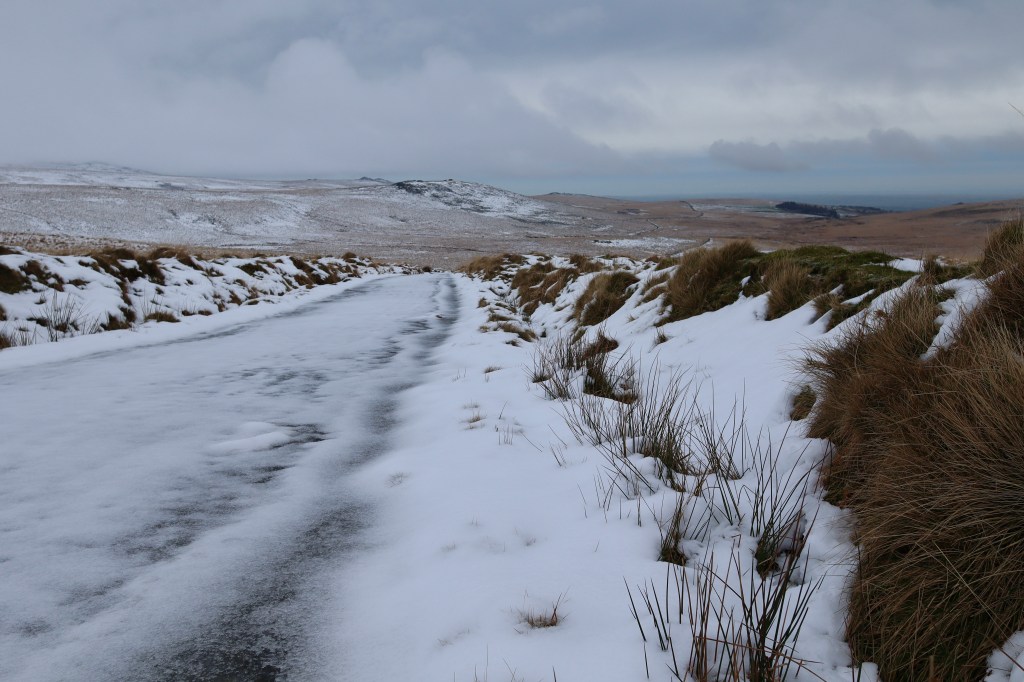
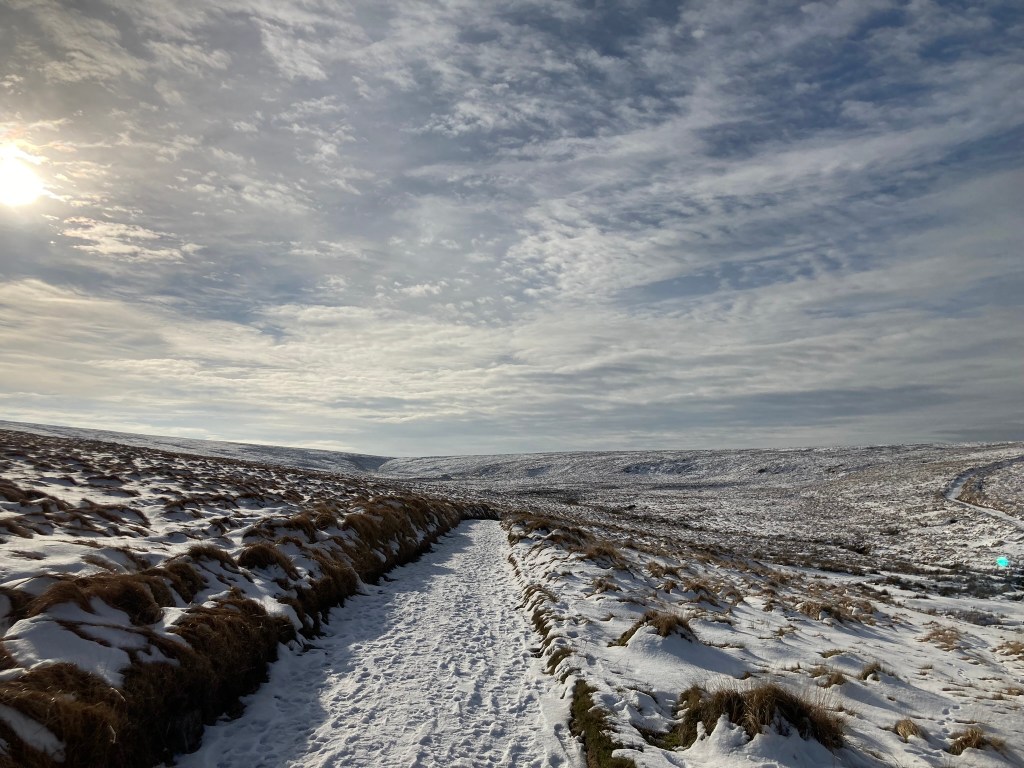
Look for signs that terrain may be safe / unsafe (i.e. if you can see thick ice then probably avoid it as in the video above or pictures below), take extra caution on exposed rock and remember, snow can hide all sorts of dodgy terrain (ice or otherwise) underneath it. Also remember – do not walk somewhere just because you can see someone else’s footprints there – you don’t know where they ended up and you don’t want to repeat any mistakes they made (also their footprints may well have turned icy compared to soft snow around). Trust your own judgement and take control.
Watch the Weather
Not only should you check and know the forecast before you head out but keep an eye on what is happening with the weather. Hills (and mountains but we’re not talking about them) have their own localised weather systems and things can and do change quickly. Learn the signs that will allow you to anticipate changes to weather and act accordingly (e.g. add layers or waterproofing if you can see a snowstorm coming in).
Watch the time
Clearly daylight is more limited in winter. Hiking in snow can be hard, hiking in snow in the dark harder, so make the best use of daylight. This may mean setting off at sunrise if you have a long route planned.
If doing a single day hike, know when sunset is and plan to be back well before this. If you plan to camp out in the snow, make sure you set up camp well before sunset is due. Bear in mind that hiking in wintery conditions is harder and takes more time.
Technique
There are techniques for ascending and descending in heavy snow (involving kicking into the snowbank on your way up and avoiding locking your legs on the way down). I was going to try and explain but honestly, there are better descriptions (and videos) elsewhere then I could manage so maybe give this a quick google.
Remember to eat and drink
Keeping fuelled is important for a few reasons. Firstly, it’s a morale boost, which may be needed if the going gets tough. Secondly, walking in snow is harder than walking in summer conditions – the additional energy is needed to keep you going and feeling comfortable. Finally, your metabolism is your best heat source so keep yourself fuelled and hydrated to keep this going smoothly. Hiking in the snow is a great excuse to eat loads of snacks so go for it, and keep water in easy reach so you can have regular sips.
Take Shorter Breaks
Movement keeps you warm. When you stop to take a break, you will start to get colder. As such, take shorter breaks more frequently. In addition, think about the following when you take a break:
- Remove/replace any wet clothing
- Add an additional layer
- If sitting, sit on something insulating (I tend to just use my bag but you can get sitting mats etc)
- Remember to eat and drink
Think Safety
Be extra cautious. In addition to the usual hiking gear, take a shelter (some say take a tent, I usual take my bothy bag or occasionally a tarp (if I want really light weight)), take more food and water then you think you need and take something to cook with. Basically plan as if something may go wrong and you have to survive for a number of hours/overnight.
You also need to consider if you need to take crampons, snowshoes or microspikes (depends on terrain and snow conditions).
I repeat what I wrote earlier. Being over-prepared is never a bad thing, being over-prepared when hiking in winter may just save your life.
Abandon if you need to
This is my main advice. If you take one thing from this write up, please make it be this. Do not feel afraid to abandon your walk. I know it may be frustrating, but it is better to turn around, go home and try again on another day, then to stubbornly push on and injure yourself or worse (and of course you then add the risk to those coming to try and rescue you).
There is no hard or fast rule of when to abandon. I have always said to “go with your gut”. Your instinct will tell you if what you’re facing is within your competence and skill or if it is too much. Trust it, listen to it and act on it. And don’t let others convince you otherwise.
I hope these tips help and I hope you enjoy your time (safely) if you head out in wintery conditions. Remember, plan ahead, enjoy yourself and stay safe. Please add any tips you may have to the comments (and I’ll add to the post in time).

 Moorland Ramblings
Leave a comment