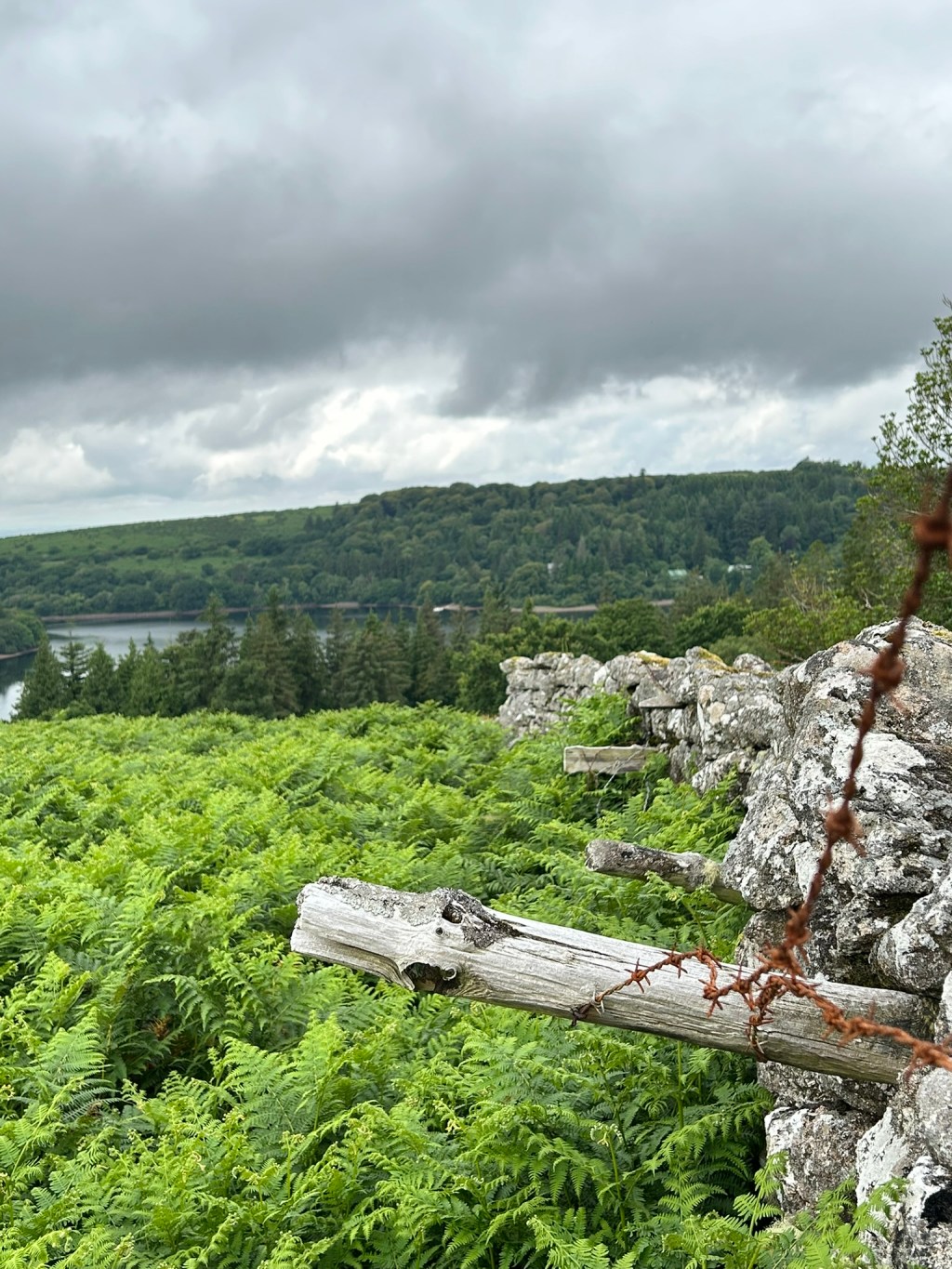
After weaving my way through the cyclists, runners, walkers and horse riders (who all have much more right to be there then me in my car) I arrive at the parking for Burrator Reservoir Arboretum. A gentle and peaceful start to the walk, I take the path through the plantation where there are bits of the arboretum where the battle signs of forestry management are clear, with trees cut down and piles of branches left to compost. The battle scars hewn through the necessary management of the site are contrasted by the healthy, growing well managed Fir, Larch and Pine trees, which are interspersed with moss covered rocks, babbling brooks and Foxgloves.
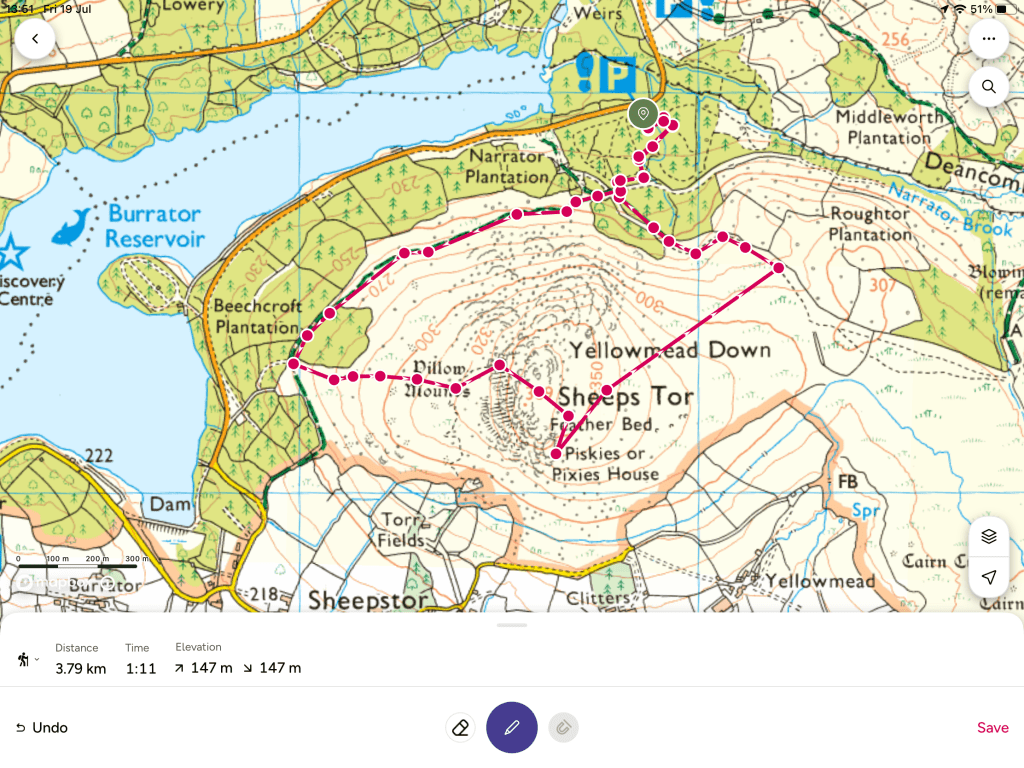
The Burrator Arboretum, made up of native and non-native trees, offer an easy access walking route along the footpaths created following the storms of the 1980s. I could very happily have spent the day walking around the arboretum, listening to the birds and the rippling Narrator Brook, taking in the smells and feeling lost amongst the trees. However, I have bigger plans. Having made my way to the southern edge of the arboretum, I pass through a gate and turn west onto a path that takes me from the managed, manicured calm of the arboretum onto the untamed wilds of the moor. In doing so, the peak of Sheepstor rises above, offering a tantalising glimpse of what’s to come.
Sheepstor
Resisting the urge to climb in a beeline to the peak, I continue to follow the undulating track through the sea of bracken, gorse and hawthorn, for about 800m. Having passed unobtrusively through two walls marking the outer edges of the Beechcroft plantation, and having been turned south westwards by the track, after a further 150m and at the edge of the southeastern wall of the plantation, I take a boot worn path east, making a straight run to the top of Sheepstor, with Burrator Reservoir behind me, Leather Tor and Sharpitor to my north and the rolling hills of Ringmoor Down to the south.
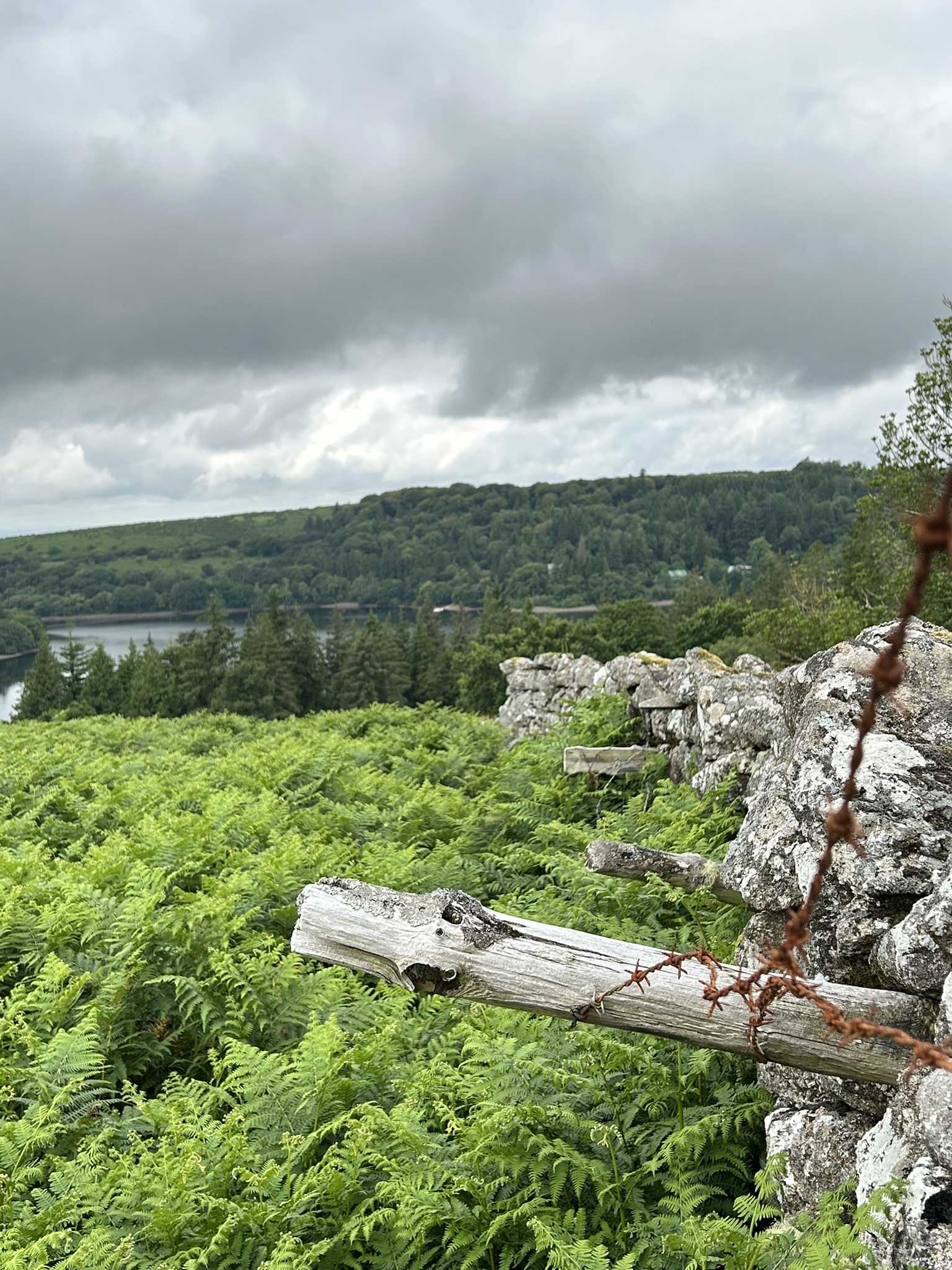
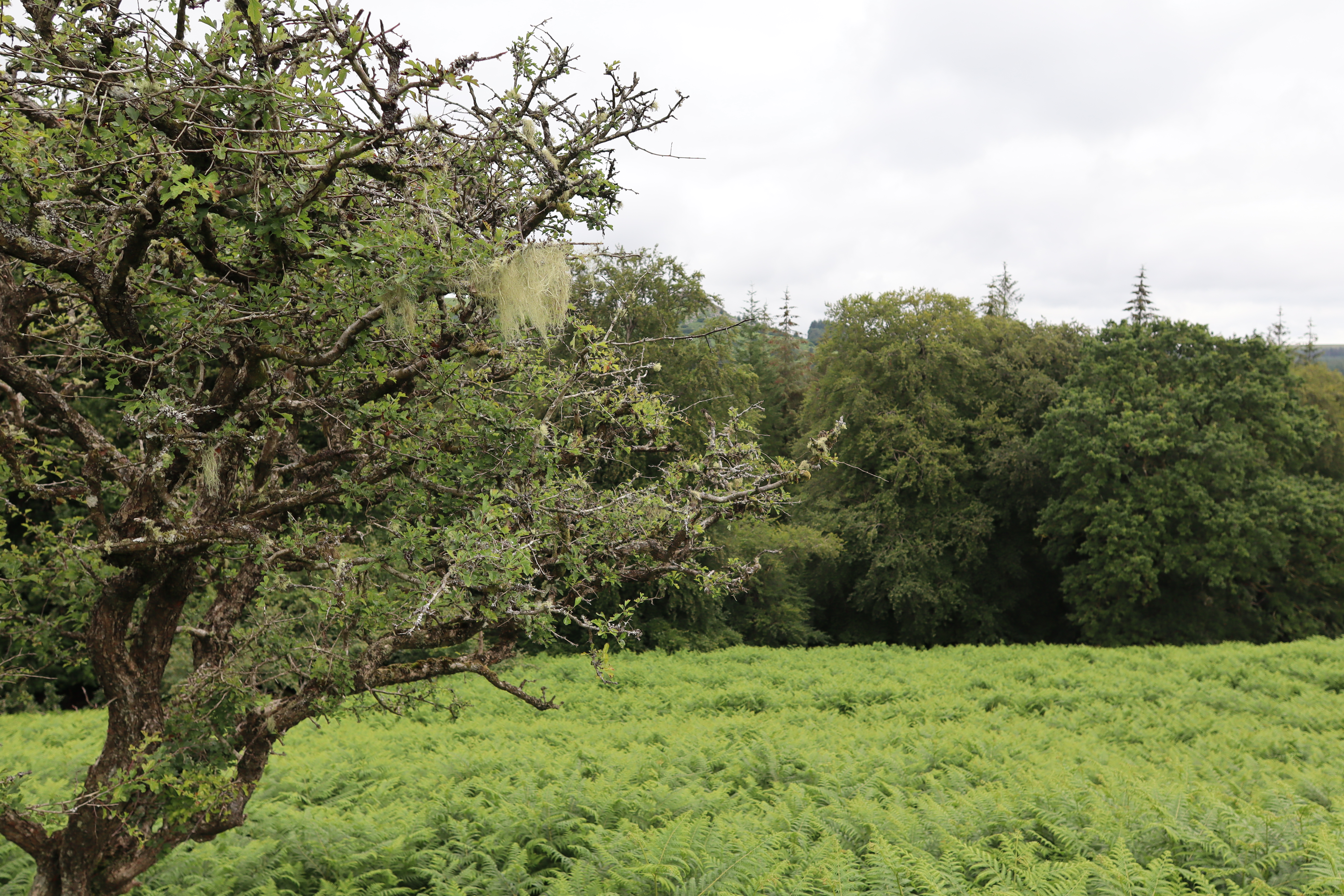

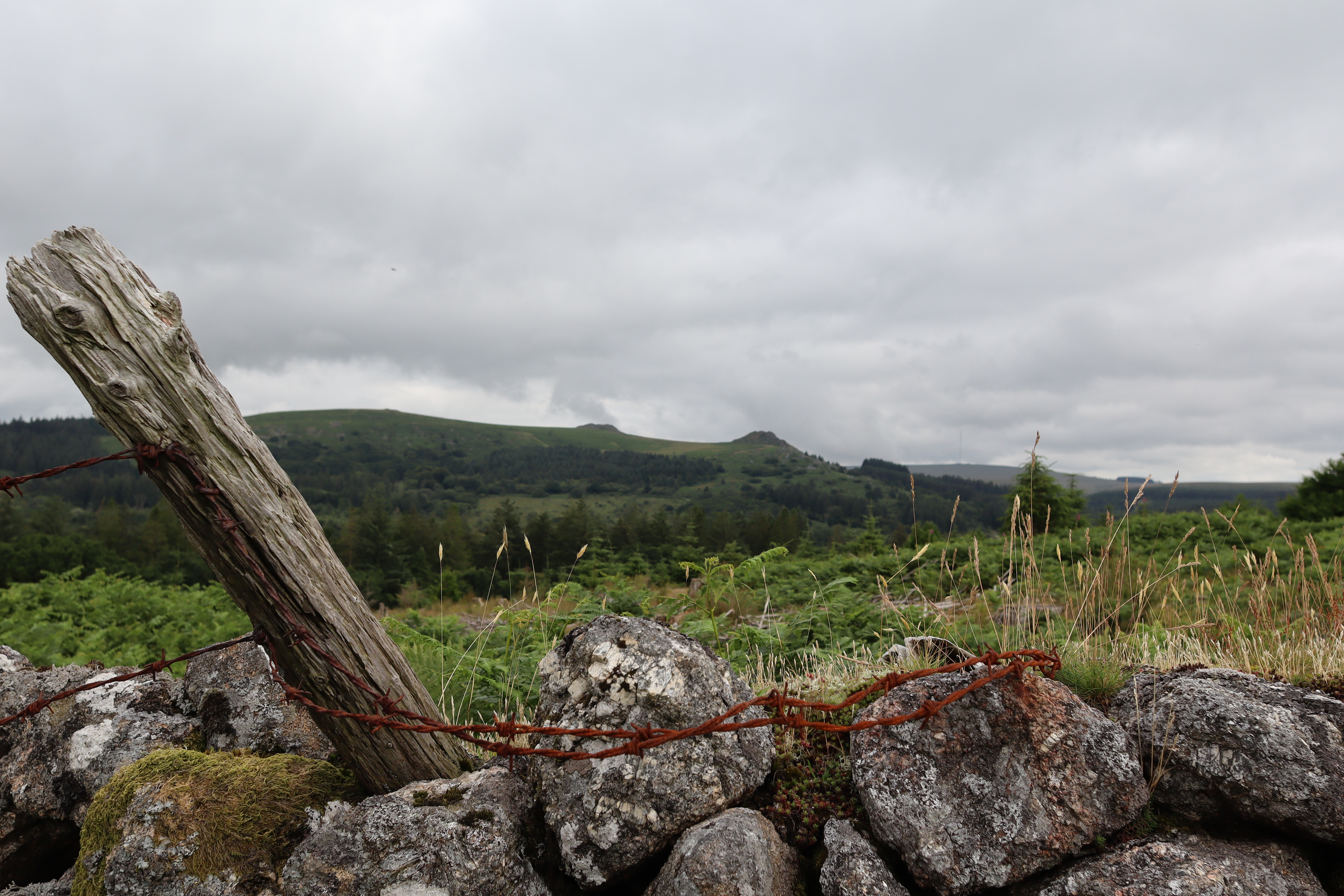
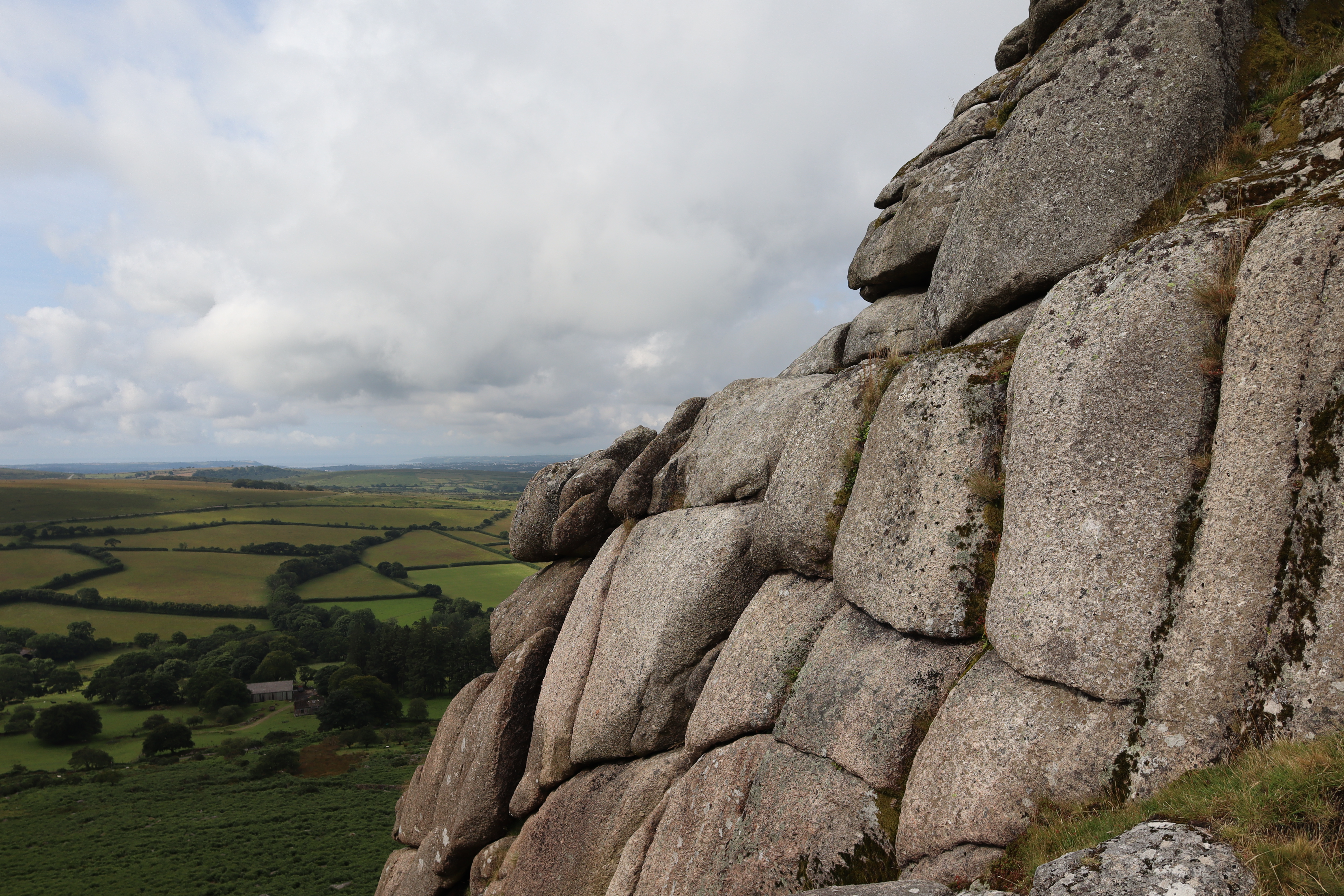
The climb is easy until you reach the clitter fields, strewn around the granite base of the Sheepstor, at which point the steepness increases. The slight effort required to climb through the clitter is well worth it however, as at the top you are greeted by sprawling views over the southern moor, on this occasion, accompanied by a flock of wary sheep, skittish Dartmoor Ponies and a crow soaring proudly overhead.

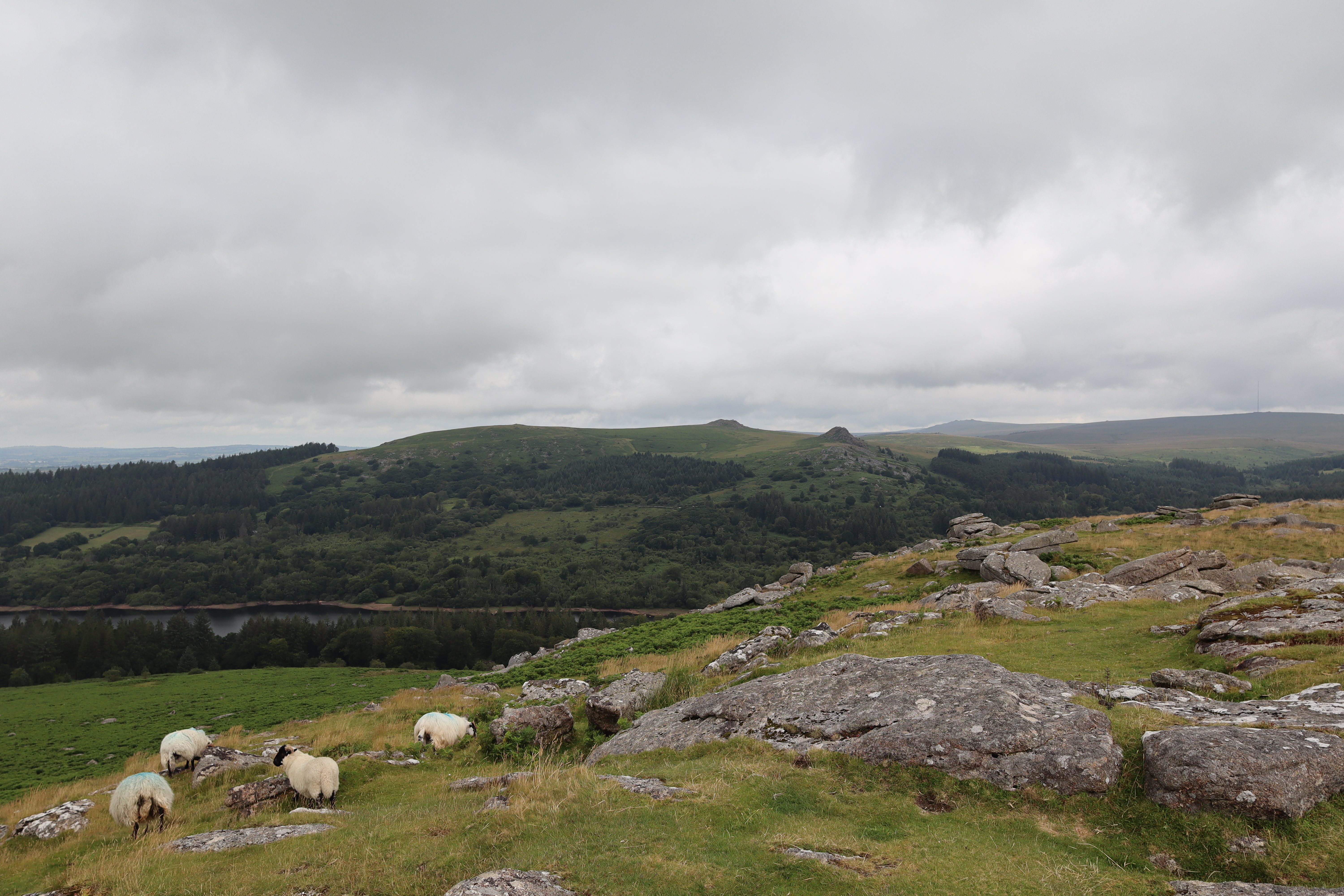
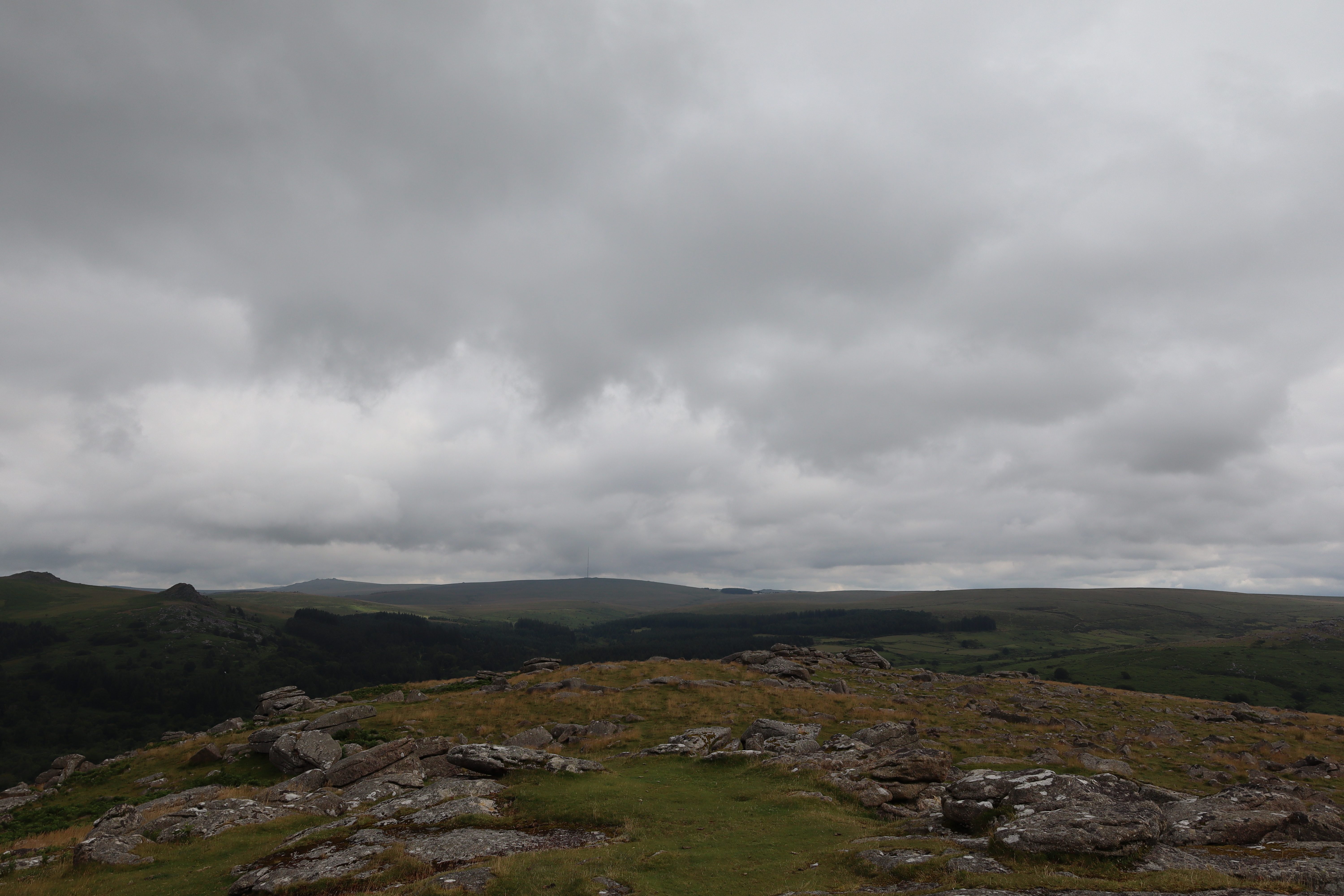
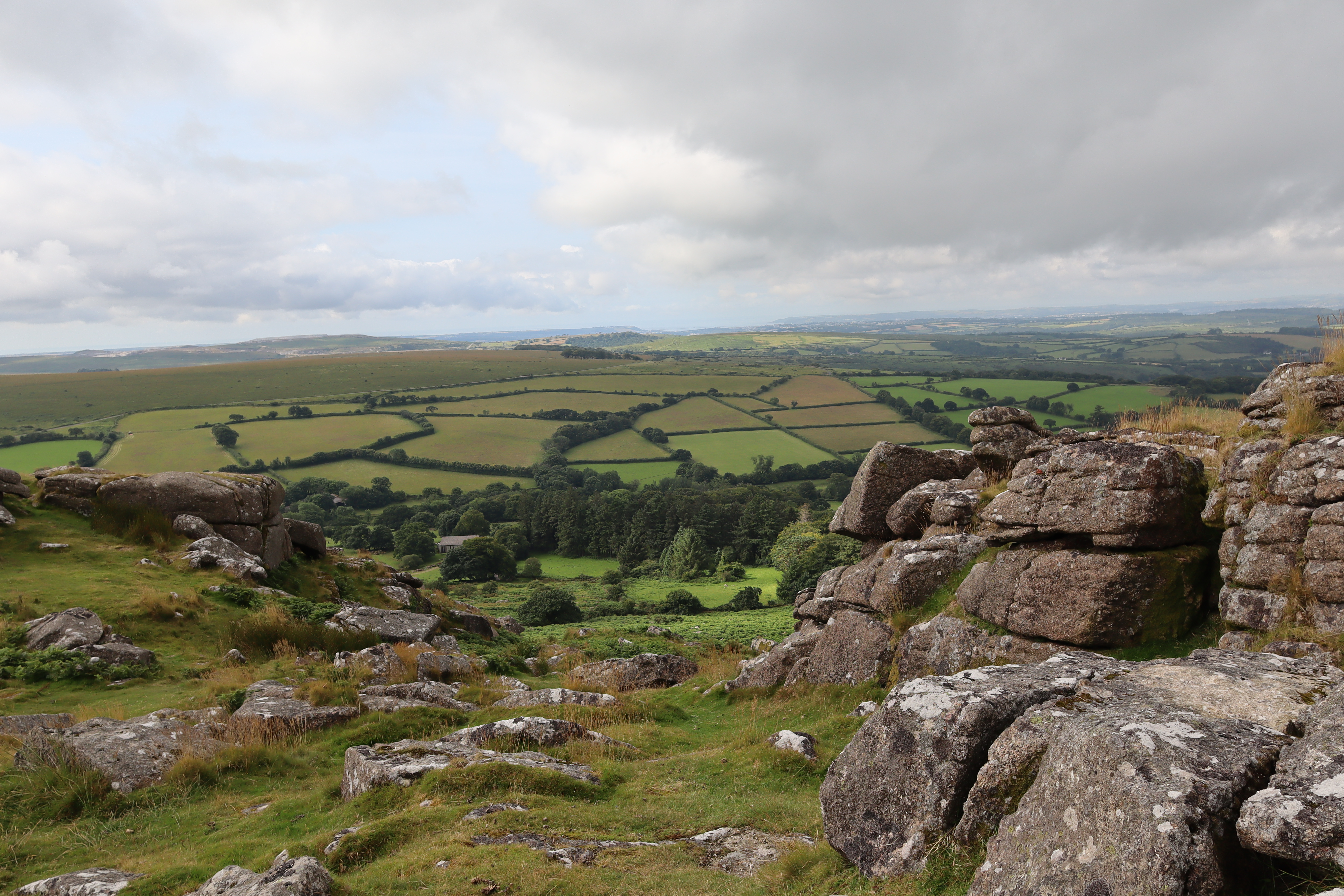
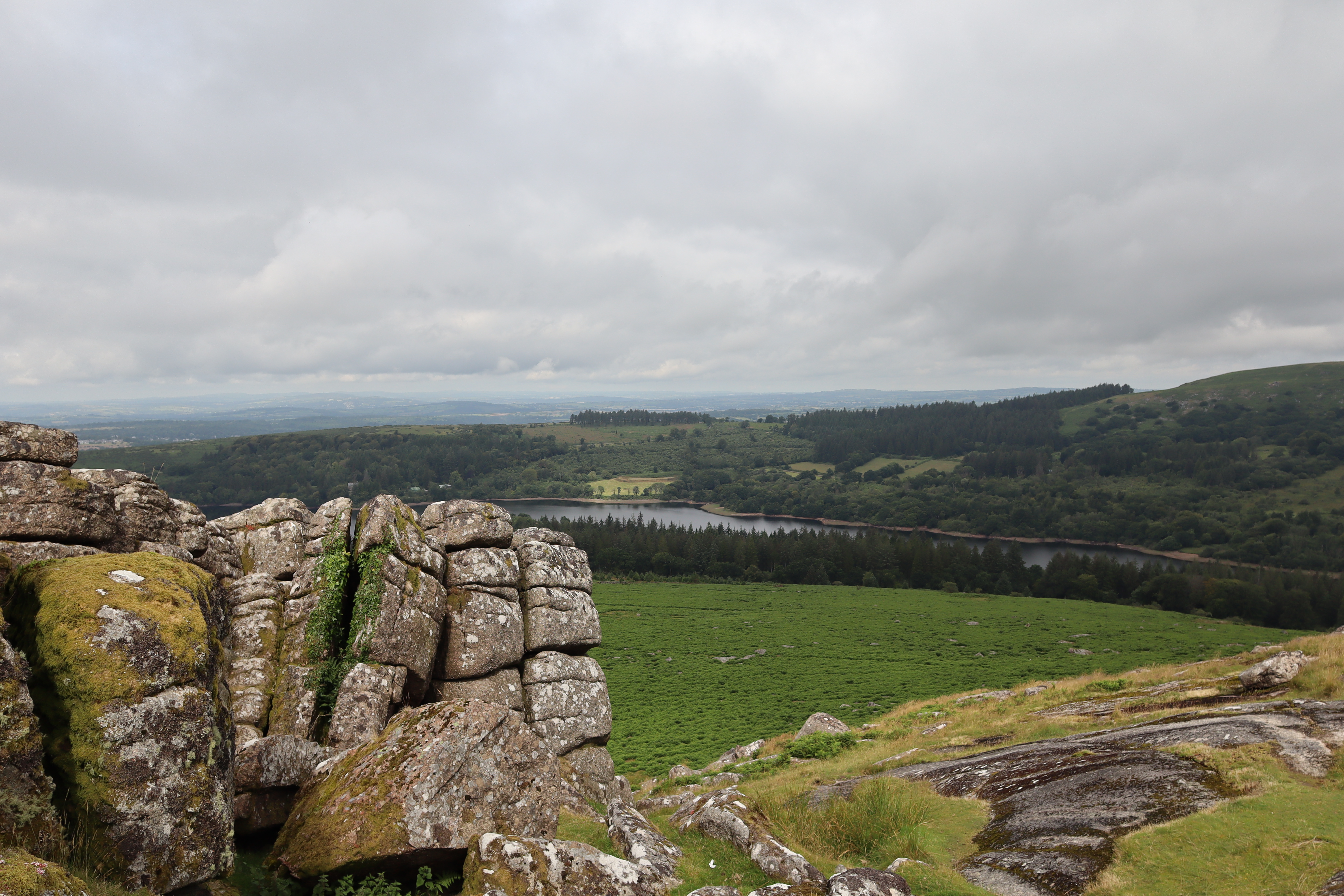
The isolation experienced at the summit of Sheepstor offer the perfect counterbalance to the crowds that surround Burrator Reservoir. Dominating the Southeastern shores of Burrator Reservoir, Sheepstor is a grand, sprawling and commanding Tor that sits high above the eponymous village, overlooking the Reservoir, Ringmoor Down and the Southern Moors.
Piskies House
At the top of Sheepstor, hidden amongst the craggy outcrops, is the Piskies House. The Piskies House, as marked on the OS Map, has been variously known as the Pixies house, Pixies Cave, Piskies Cave, Piskies Hole, Piskies Grott and Elford’s Cave over the years. This site is shrouded in myth and folklore, and can be assumed, from the name, to have been the home to the Piskies of Dartmoor but it is not only the Piskies who have laid claim to obscure location.
During the civil war, a staunch Parliamentarian by the name John Elford was lord of Longstone Manor. Despite his political leanings, Lord Elford became embroiled in a spat with the Lord Protector, Oliver Cromwell. The argument continued to escalate and soon, John Elford plotted to overthrow Cromwell. In a spate of great irony, unhappy with a plot to overthrow the head of state, Cromwell sent a number of soldiers to arrest John Elford (which presumably would have led to his execution). Having got wind of the Lord Protector’s plans, John Elford took flight and sought shelter in the moors around Sheepstor, which he knew so well. In particular, Elford hid in the Piskies House (hence one of the names being Elford’s Cave) and tradition has it that the locals would take food and drink to Elford whilst he remained in exile, practicing his profession (he was an artist) by painting the walls of the cave. The cave is difficult to find, and in my happiness of having found it, I forgot to take any photos so if you do want to see what the inside looks like, google is my suggestion until I retrace my steps and rectify my mistake. If you do decide to visit the cave, which I do recommend, be sure to take a gift for the Piskies, lest you face their wrath for rudeness (maybe it was the Piskies who made me “forget” to take the photos).


Heading Home
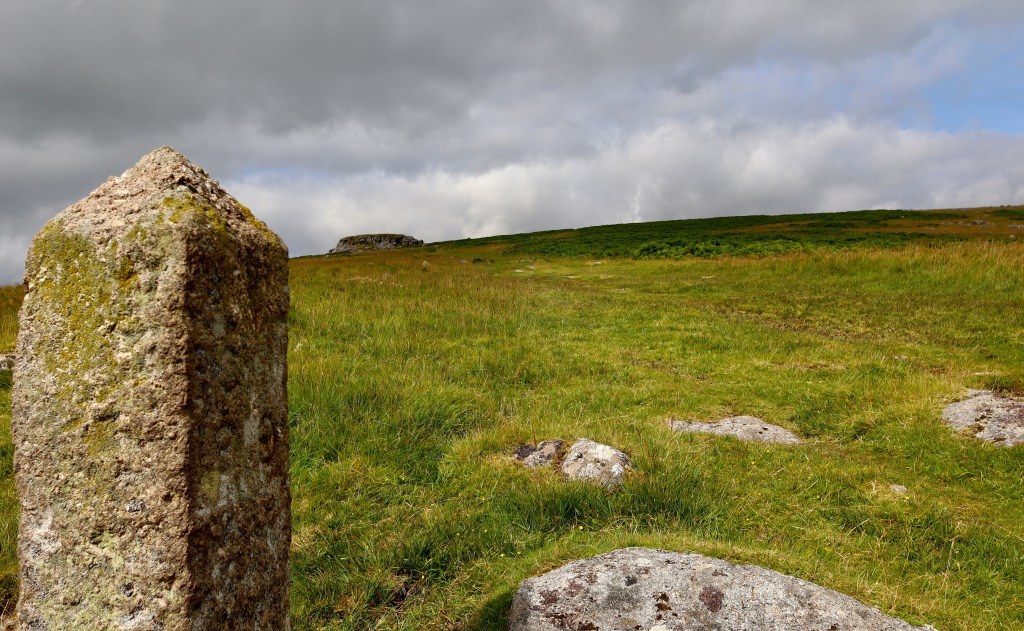
From the cave, I begin my journey home. The route back is easy, heading on a north easterly bearing, past a waterworks boundary stone down a gentle slope (this is the approach I would recommend anyone with mobility issues) I reach the edge of the Narrator plantation and handrail the wall north westerly until I find a gate letting me into it. From here, I bimble through the trees until I reach the car park and my start the drive home, weaving my way through the cyclists, runners, walkers and horse riders (who all have much more right to be there then me in my car).
| Difficulty | Distance | Navigation Required? |
| Easy – ascend tor from eastern slope Moderate – ascend northern slope | 4km | No |
| Grid Reference | Safety | Footwear |
| SX 568 689 | General Dartmoor Considerations Steep slopes Rocky underfoot conditions | B1 |



 Moorland Ramblings
Leave a comment