
Part of this blog (a fairly significant part of this blog) will describe routes I have walked. Part of the intention of this is to remove the need for the reader to plan a walk, so that you may focus on the what’s around you, helping immerse you in the environment and be truly engaged with the surroundings.
Upland areas have inspired so many in part because they are unpredictable and changeable. Not only is the terrain variable and at times difficult (which can be problematic for some people to negotiate and may lead to injury in the most competent walkers), but one moment you may be walking in clear sunshine with excellent visibility where you can see the path you are taking and the feature you are walking towards without a care in the world and the next moment, a mist may have descended, the heavens opened and visibility is limited to non-existent. In these instances, you may become “Pixie Led” (if on Dartmoor) and so being adequately prepared for a hike is vital. This post is long and incredibly important. It gives a few recommendations on how to prepare to get the most out of your walk, based around these three questions you should be asking before any walk:
- Where am I going and what should I expect on the route?
- What is the weather going to be like?
- What clothes and equipment will I need?
- Where am I going and what should I expect on the route?
It sounds obvious, but it is really important for you to know where you are going, what you will see and what you expect on the route (i.e. are there hills, rivers or other terrain features to be aware of? What are the major features that will let you know you are on the right route etc). As such, reviewing a map and researching your route online prior to a walk should be routine. In addition, you should be taking the map and a compass with you (some of the walks in the blog will require an element of navigation) and you should know how to use them. You wont learn to navigate by reading a blog, but there are a lot of resources online (and I will likely add some more) that can make you aware of the basics. Finally, you should be ticking features off as you go to ensure you are on the correct route.
- What is the weather going to be like?
In the UK we love talking about the weather. It is inextricably linked to our culture, so much so that our friends from across the world use it to tease us. However, this obsession is based in the unpredictability of weather on the British Isles which can get notoriously bad and has the potential to have a major impact on plans, particularly if you plans for a day revolve around a walk.
Key weather tips:
- Try to ensure your forecast gives an hour-by-hour account and give consideration not just to rain, snow, sun etc but also to the oft forgotten wind speeds.
- Make sure you look at the forecast for the area you are walking. This sounds obvious, but on Dartmoor, it could be snowing on the North moor and sunny on the South Moor at the same time.
- Hot weather can cause as many problems as cold, rainy or windy weather. Do not underestimate the impact of heat exhaustion and dehydration.
- On the Moors there is an old saying for the summer months “Rain before Seven, dry after Eleven”. There have been many times where an early morning walk has started in the rain and ended with me applying layers of factor 50 suncream.
- There are a number of resources available for checking the weather. The internet, television, radio, newspapers, bulletins posted on the walls of tourist offices and outdoor centres are all good sources of information. Phone apps are often easily accessible and very accurate for weather forecasts and can be taken on the walk with you so that you can check for forecast changes whilst walking (as long as signal allows – do not rely on this). There are many other options available, most of which are free, for the prepared walker.
- Finally, as long as you have prepared for the weather you anticipate (see below for clothing and navigation recommendations), you can be confident in heading onto the hills. However, always remember that if things become too difficult and unbearable, you can and should turn around (as long as it is safe) and head home.
- What clothes and equipment will I need?
Walking in the hills should be available to everyone. For some, the price of equipment can be prohibitive and as such, this blog does not look to mandate equipment requirements, but rather looks to give information about the benefits that certain equipment can bring. Chapters and indeed whole books have been written on walking equipment, this post will not go into those levels of details but the reader should remember that where I make suggestions, you and your group need to make decisions on equipment during their planning process. For this, further research may be required.
- What To Wear
When a range of temperatures and weather “types” (for want of a better word) are encountered on the hills, the usual and most simple solution is to use layers of clothing, and either adding or removing those layers, to deal with the weather conditions encountered.
It is usual to think of three layers when considering clothing choice for a walk, as referenced below:
- Base Layer
When we exercise, our body temperature increases. This in turn causes us to sweat, to prevent overheating. Wet clothing next to the skin, will make you feel cold when you stop exercising so it is important that any clothing next to the skin remains as dry as possible. In this sense therefore, the Base Layer should be thought of as a wicking underlayer, next to the skin, that will transport moisture (sweat) away from the skin.
The best base layers tend to be made of synthetic materials that don’t absorb water and instead move it towards the outside of your clothing, away from your skin. Wearing a base layer made from a synthetic material therefore allows your body to regulate its temperature without feeling cold. These materials also dry very quickly.
If you would rather wear a natural fibre, Merino Wools and Bamboo clothes offer a good option. Please note that cotton is a very absorbent material and therefore is not thought of as a good material to act as a base layer.
- Mid-Layer
The middle layer provides the main source of insulation for a walker, preventing heat loss by trapping warm air around the body. Therefore, the ability of the material from which a mid-layer is made determines the use of the mid-layer.
Mid-layers should be adapted according to individual needs and a wide variety of options are available. The below should act as a general rule of thumb when picking a mid-layer for your walk:
- High outside temperatures +/- sustained exercise – it may be that a mid-layer is not needed. However, remember to put a warm layer in your backpack to use if you get cold, stop for lunch etc.
- Cool / moderate temperatures – fleece is the most common and recognisable and is a great all-rounder as it maintains its insulating properties even when wet. Light, synthetic insulated jackets are also useful as they will keep you warm, compress down easily, and are easy to clean.
- Cold / wintery conditions – A “softshell”, down jacket or gilet can act as a good mid-layer in cold conditions. These have the additional advantage of being partially wind-proof and offer a degree of extra warmth and versatility when compared to other mid-layer options.
- Outer Layer
Your outer layer will act as the main mode of protection from the elements and should protect you from wind, rain or snow, whilst allowing the inner- and mid-layers to function properly. Outer layers tend to be thought of as waterproof jackets and trousers (or gaiters).
- Keeping a Steady Footing
The footwear worn on a walk is dependent on the terrain and weather conditions expected. The footwear chosen should help you to walk over varied ground (on the whole think a combination of grass, tussocks, rocks and paths) in the most efficient and comfortable way possible.
When considering you choice of footwear, think about the following factors:
- Do they fit properly?
- This is crucial. Too loose a fit can cause foot slipping and blisters. Too tight a fit can cause bruising and painful pressure. In addition, consider whether you require insoles to help correct the posture of the foot during walking. This will help avoid injury to the foot, ankle, knees and/or lower back. If you need an insole or orthotics in your everyday life, it is likely you will need one for your walking shoe.
- What terrain will you encounter?
- Often walking boots are generally aimed at a specific type of terrain or walking (with the main differences being the height of the boot and “stiffness” of the sole). On the whole, there are x4 types of boot, with most (note not all) manufacturers using a grading system for boots from B0 – B3. With this system, B0 is suitable for the easiest conditions (think general hillwalking without crampons. Basically the next step up from a trainer.) and B3 is for four season winter mountaineering. If you are considering purchasing boots that will be used in variety of terrain, then buy for the more severe use.
- Do they need to be waterproof?
- If in doubt, when walking on the hills, assume you want to have a waterproof boot. Most boots made specifically for walking/hiking will have a degree of waterproofing. This may come about from the material the boot is made of (e.g. leather offer a high degree of water resistance) or from what the boot is lined with (GORE-TEX are water resistant and breathable).
- Are they leather or synthetic material?
- Thanks to advances in technology, the differences between the two (and therefore the benefits of one over the other) are increasingly small. Just remember, that new leather boots often require a period of “breaking in” before they are comfortable for a long walk.
- Do you have appropriate socks to go with them?
- The right socks, with the right padding, insulation, wicking and elasticity, can make a big difference to the feel of your boots and the comfort of your walk.
- Are they comfortable?
- You want to wear a pair of boots that are comfortable. You may be wearing them for many hours on end and you do not want to be in pain either during the walk or after. Comfort will be influenced by all the factors above, but in particular, fit and material. It is also important to remember that a new set of boots will likely require a period of “breaking in” before they are ready to be used on long distance walks.
In essence, there are loads of things you could consider when buying walking boots and selecting a boot for a walk. This may include the weight of the boot, the breathability of the fabric, how waterproof the boot is etc. Ultimately, you need a shoe that fits well, is comfortable and that can cope with the terrain you will encounter. To help, each walk in this blog will make a recommendation on the type of footwear required to complete your walk.
- What to Carry
Without going into detail, you should have the equipment that enables you to comfortably deal with the challenges that the hills may come up with. A well-prepared group between them would therefore have:
- Food and Drink
- Protection from the cold
- Protection from the sun
- First aid provision
- Walking Poles (if desired)
- Spares and repairs (in particular give consideration to carrying some spare laces)
- Map and compass
- Torch and spare batteries (if walking during winter months or walking past or close to sun set)
- Emergency shelter
- A container (e.g. a rucksack) to carry it all in
- General Safety & Useful contacts
The below are a list of useful contacts to know when walking:
Mountain Rescue
- Ring 999 or 112 (112 will search for signal from other phone providers if signal is poor and can override a phone’s access/security (useful if the only phone in your party belongs to someone who cannot give you access to it)) and ask for the Police. Then ask for “Mountain Rescue”. When you contact the emergency services expect to tell them the following:
- Who? Which emergency service you require – ask for Police and tell them that you require Mountain Rescue.
- What? Briefly, what is the problem.
- Where? Give your grid reference (from an OS map) if you can and/or give as much detail as you can about the area you are in.
- What next? It is important to follow any instructions you are given – especially if you are told to stay where you are. In remote locations, searches are often completed on foot and they take time. They will be as fast as possible, but be prepared to keep warm and wait.
- The rescue manager will often send a SARLOC© text to the phone of the caller. If you are sent a SARLOC© message then please click the link in the text. This will enable the SARLOC© to accurately identify your location and relay this to the Search and Rescue team.
- Signal is patchy on the hills. Sending a text requires less signal than a phone call so you should also register your mobile for 999 using a text. Simply text the word “REGISTER” to 999. You will then get an automatic text which you should read. Read the message and then reply “YES” to confirm your registration.
Dartmoor Training Area Headquarters
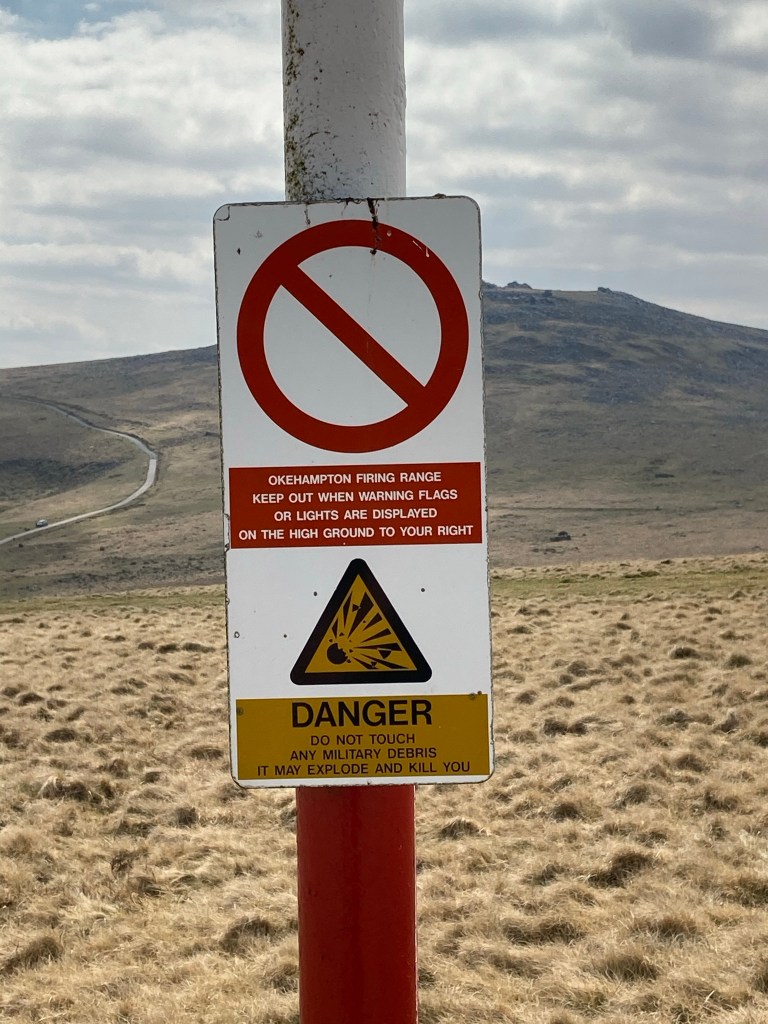
- There are x3 live firing ranges on Dartmoor. These are Okehampton, Merrivale and Willsworthy. Warning signals indicate when live firing is taking place. The signals are red flags by day and red lamps by night. The range boundaries are marked by Red and White poles. When warning signals are displayed do not cross the range boundary.
- If the warning signals are not hoisted by 0900 (April – September) or 1000 (October – March) then there is no firing and these areas are safe to walk in.
- Always check the firing times before undertaking any walk on Dartmoor (even if not walking in one of the three above areas – it forms good habits). Check the firing times through:
- Phone – 08004584868
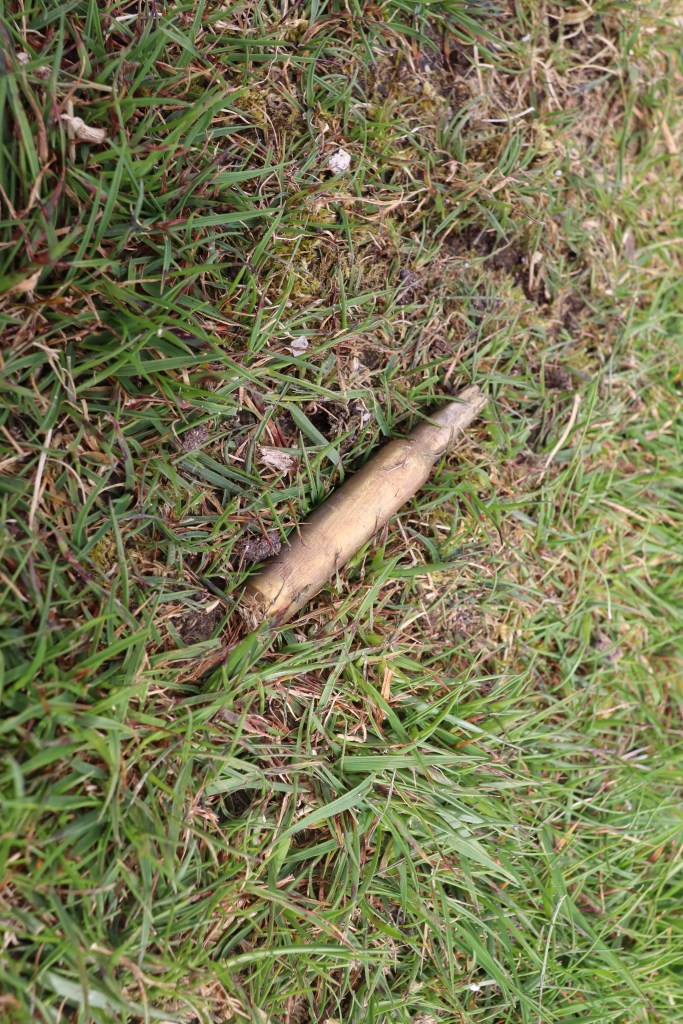
- Never pick up anything on Dartmoor when you don’t know what it is. Never touch any military equipment you find on the moor, even if you feel competent to do so, it may be dangerous. Instead, note the location and inform either:
- Training Safety Officer (TSO) – 01837 657 210
- Police – 999 and ask for Police
- If you walk into a live firing area, when the signals are up and you hear live firing, drop to the floor immediately and call the numbers above, Police first. Tell them your location and that you are in a live firing area on Dartmoor. They can hopefully stop the firing before tragedy hits.
Dartmoor Livestock Protection Officer
- To report injured livestock please call 07873 587561.

 Moorland Ramblings
Leave a comment