I was on annual leave. I was looking forward to a week of lie ins, getting in miles upon mile of walks and drinking a few beers. It was morning number one where all that went to pot and instead, I was rudely awoken (not by the dustmen made famous by Pulp but by a screaming 2 year old) at 0530 and with a grumpy wife who was reflecting my mood, I thought a bit of fresh air would do us all good. Therefore, we decided to head to Pork Hill and the surrounding Tors but as ever, when life involves a 2 year old, that plan lasted all of 10 minutes (like my dreams of a lie in) and I found myself parking up in North Brentor.
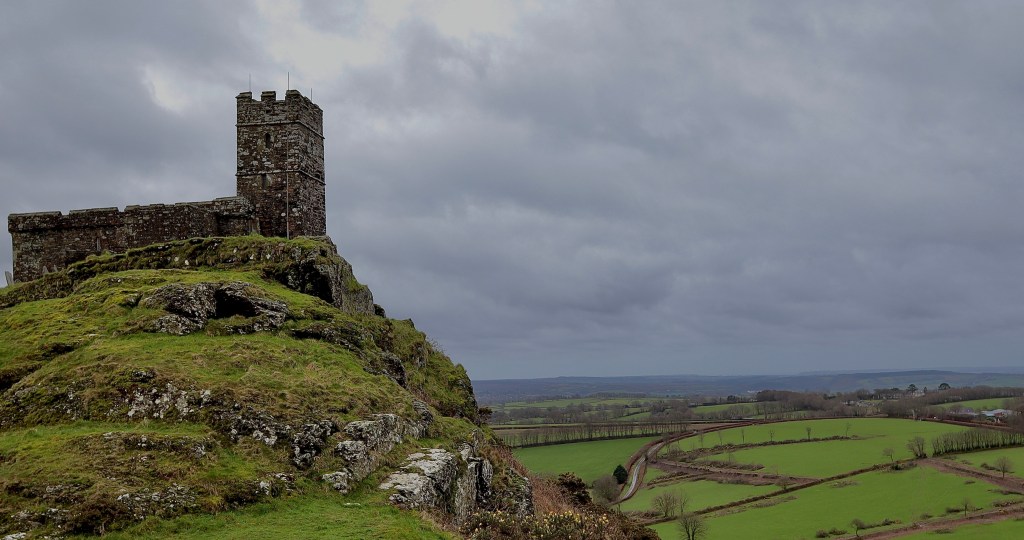
Midway between Okehampton and Tavistock, on the western border of Dartmoor, lies a small village called North Brentor (known colloquially as Brentor). Whilst pretty, and a demonstration of traditional countryside architecture, there is little that would draw the avid hiker to the village itself. However, on the outskirts of the village sits a Tor that is unusual for a couple of reasons.
Firstly, it is not made of Granite. Instead, it is formed from basaltic lava which flowed into a shallow sea that made up the area 350 million years ago. As the lava flowed into the sea it cooled and solidified into great masses, forming a mound on the sea floor which was then eroded by sea currents into the Tor we see today.
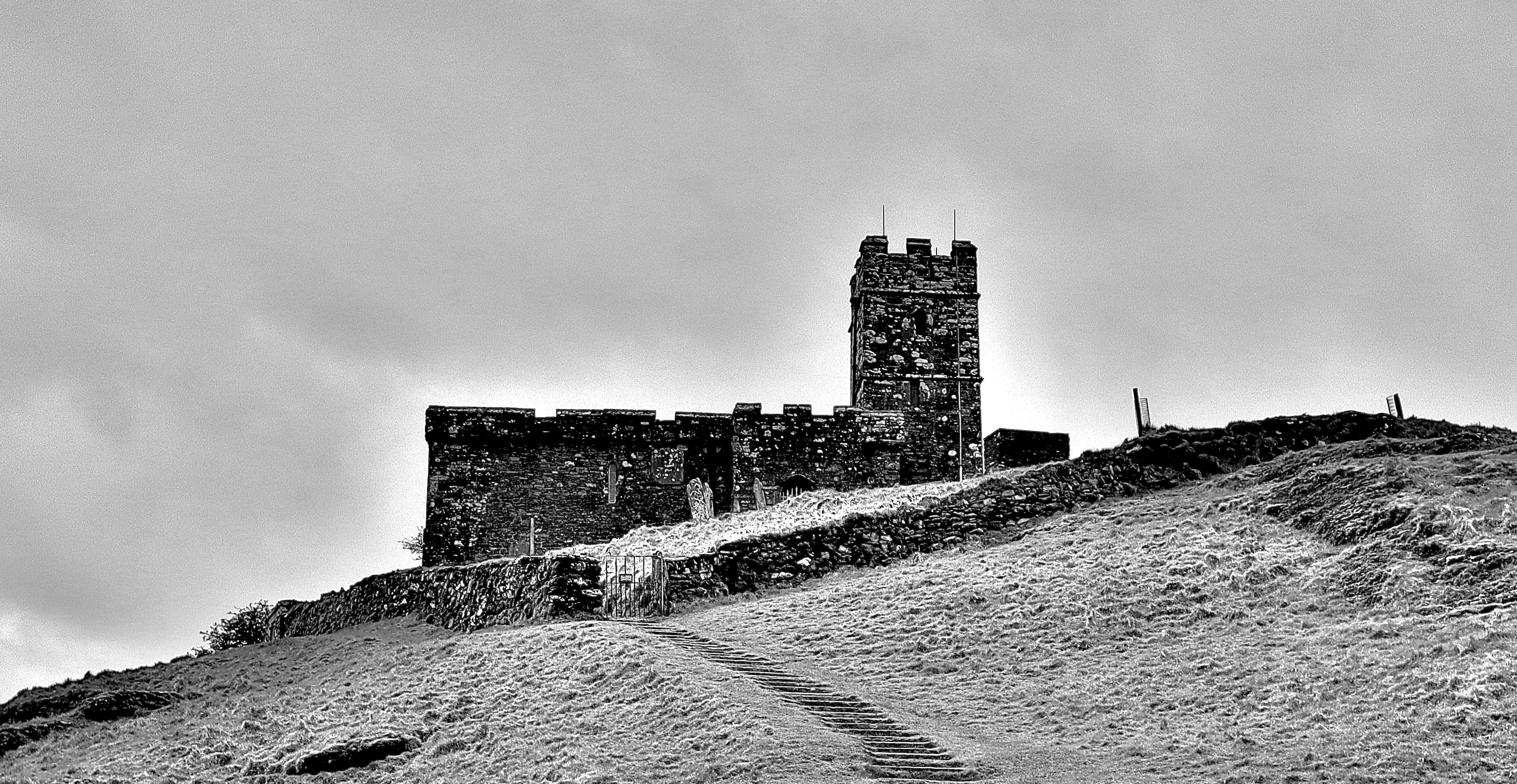
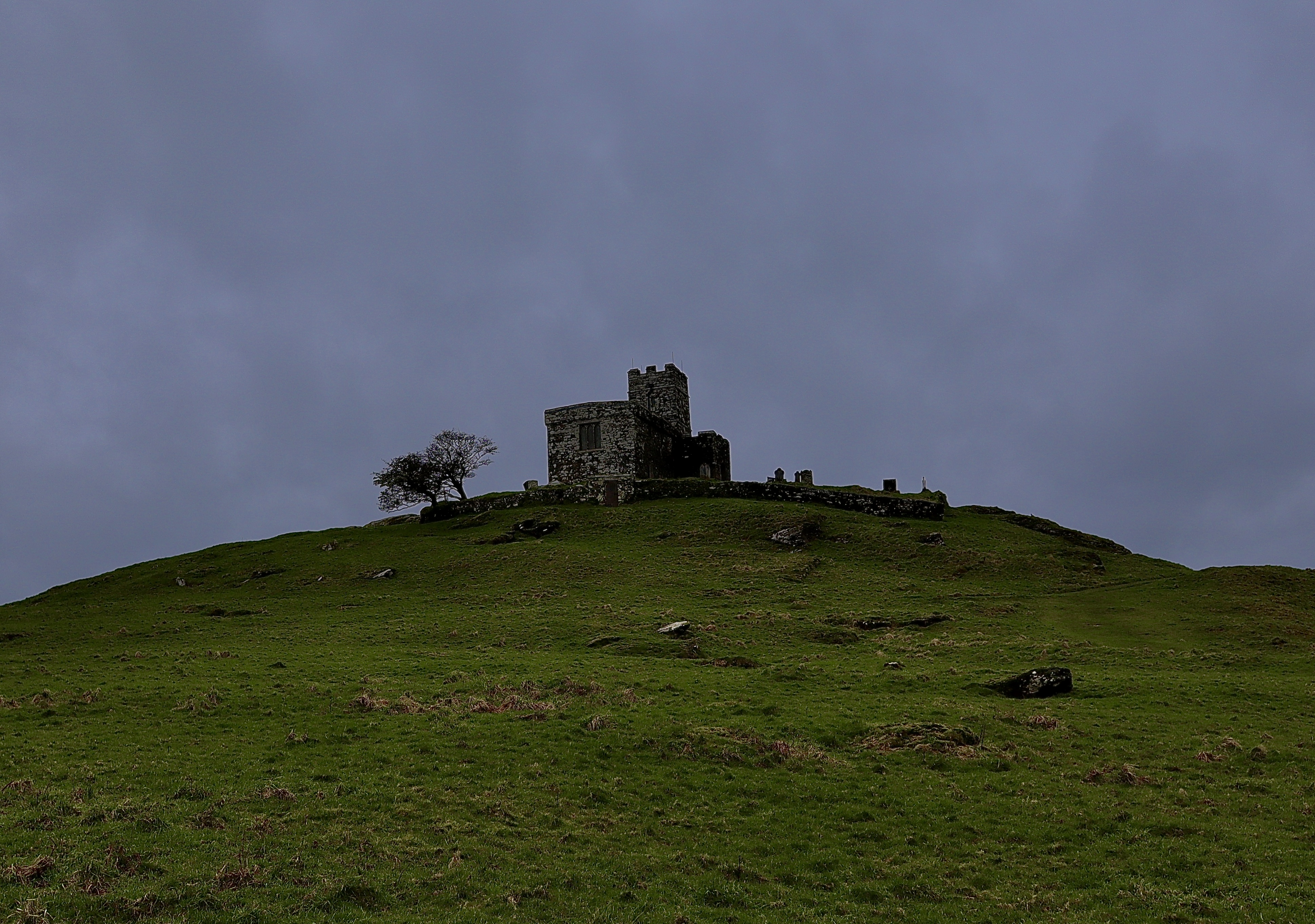
Secondly, and perhaps more obviously and excitingly (apologies to any geologists reading this) atop the Tor sits one of the most prominent features of all of Dartmoor, the Church of St Michael de Rupe.
The walk to the top of the Tor, which takes you to the spectacular church is a simple one. There is a generous car park at the base of the hill (OS Maps SX468805). From here you can read a quick note about the history and geology of the area and a path takes you across the road and up to the summit of the Tor and to the Church.
This really is a walk therefore where the destination is all. From atop the hill, you are afforded truly stunning views of the high, untamed and remote western and northwestern flanks of Dartmoor, which rise from the flat, low farmland in which Brent Tor is situated. Below the Tor on its eastern slopes, are obvious earthwork remains of an Iron Age enclosure and of course, the Tor is also home to the Church of St Michael de Rupe, which is open to visitors.
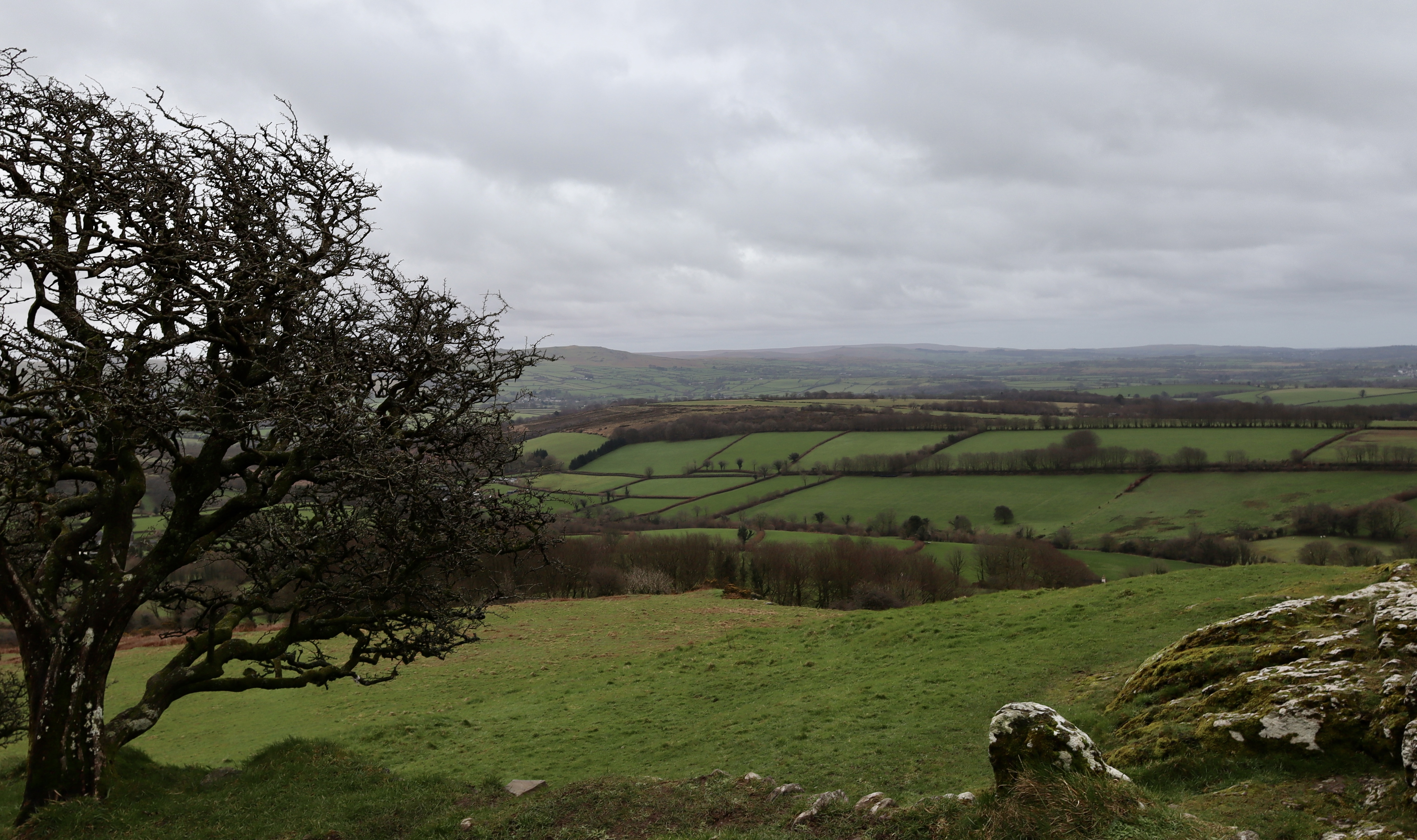
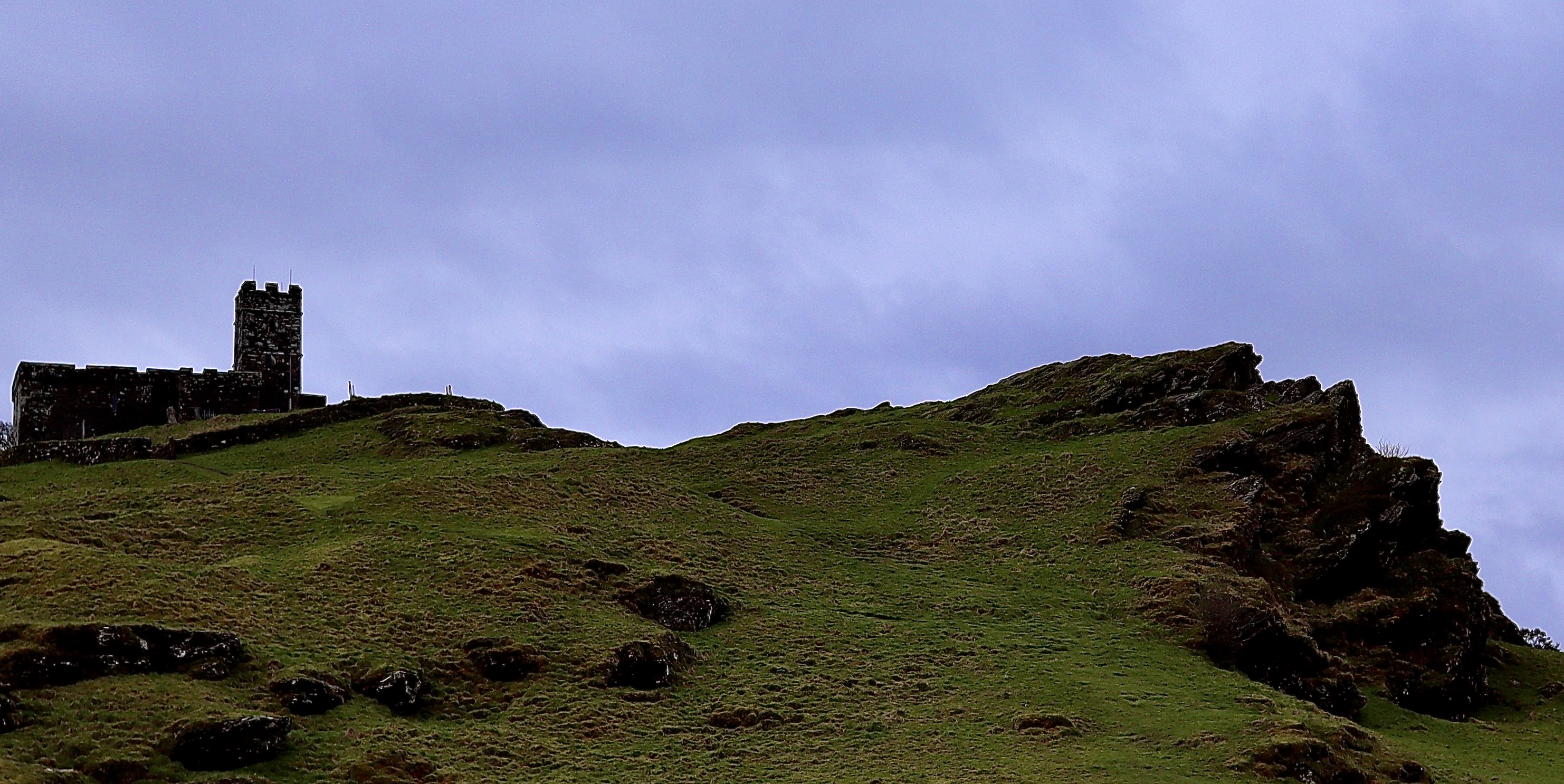
St Michael de Rupe is the main church in the parish of Brentor and is the highest working church in southern England. Built in the 12th century, with addition made in the 13th and 14th centuries, this church is serene, peaceful (or as serene and peaceful as possible with a relatively wild 2-year-old exploring the pews and door handles) and well worth a visit. Outside, the views speak for themselves and this is contrasted by the simple furnishings and memorials that are set into the nave of the walls, and within the visitors’ book.
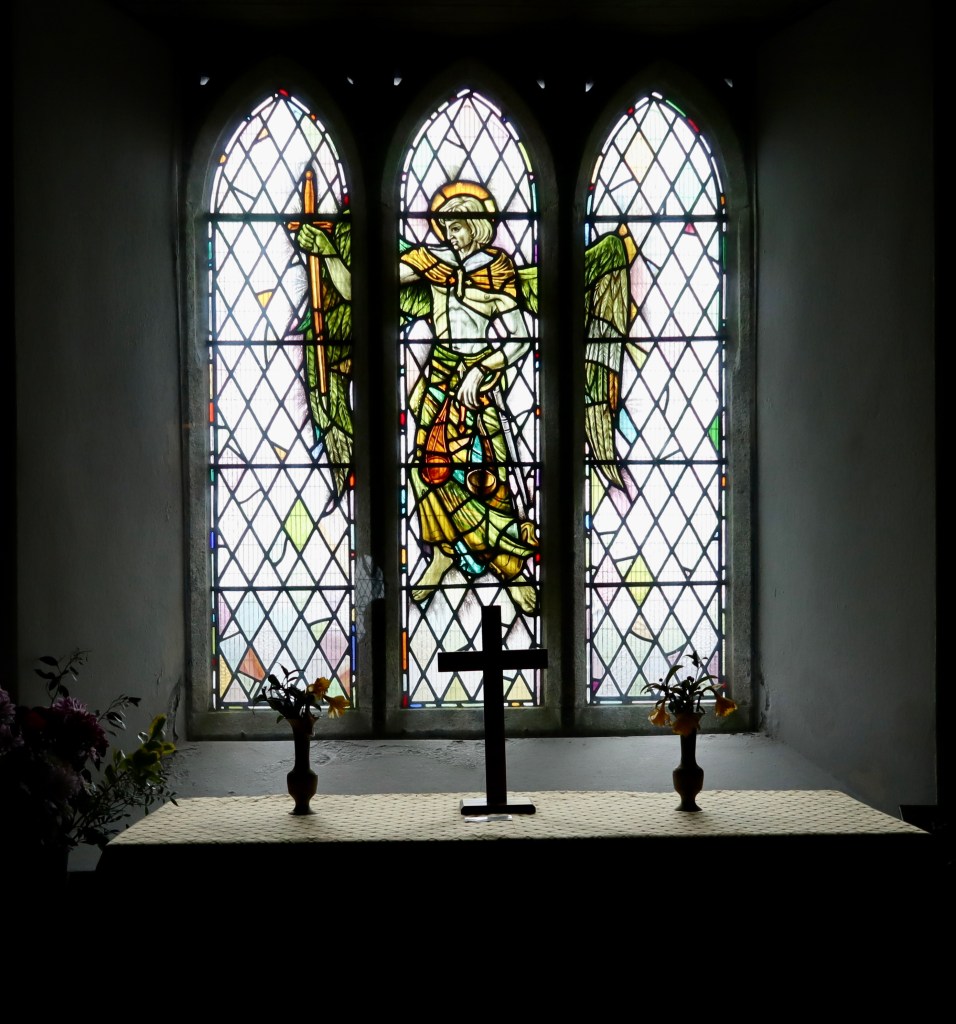
There are many legends surrounding the Tor, and the reasons for the Church’s location. One of the best-known is that of the Merchant and the Storm. Now, I was going to try and tell the story in my own words but I think the below song, which I found on page 166 of the brilliant “Dartmoor 365” by John Haywood (Haywood J. (1991). Dartmoor 365 (3rd Ed). Curlew Publications. Pg 166) sums it up better than I ever could (by the way, it’s suggested this is sung to the tune of “While Sheperds Watch…” and who am I to argue?):
While sailors watched the waves one night
All standing round the deck
The captain of the ship announced
It soon would be a wreck.
“I fear”, said he, “this mighty storm
Will drive us hard aground
Prepare yourselves to swim my lads, We’ll
Not make Plymouth Sound.”
But Hugh the merchant raised his voice
And prayed with upstretched hand,
“St Michael, save us, we implore,
And bring us safe to land.”
Thus spake good Hugh, and promise made
That if they came ashore
He’d build a little church for Mike
Upon a Dartmoor Tor.
St Michael saw the upraised hands
And heard the merchant’s plea.
He took compassion on the ship
And calmed the raging sea.
They steered a course for Plymouth Hoe
And entered Dev’nport dock,
Where Hugh espied some miles inland
A likely looking rock.
Forthwith he hurried, Northward bent,
To keep the vow he’d made.
At Brentor rock he set to work
With hammer, pick, and spade.
For fourteen days his pile of stones
Upon the summit grew.
“Tomorrow morn, if all goes well,
I’ll start to build”, quoth Hugh.
But Satan came that very night,
”Said he, “A trick I’ll play.”
He lifted up the pile of stones
And flung them far away
It took poor Hugh the whole next day
To carry back the stones.
When evening came he went to bed
To rest his weary bones.
But once again the Devil came
And played his dirty trick.
Old Hugh took back the stones, and prayed,
“O help me, please, St Mick.”
The third night when the Devil came
He got a big surprise:
St Michael hurled a rock at him
And hit him ‘tween the eyes.
No more attempts the Devil made
To hinder valiant Hugh
Who went ahead with building ops
And saw the project through.
Now if you climb up Brentor hill
To see the glorious view,
Remember there to pause and give
Your thanks to Mike and Hugh.
So there it is, a Tor with a working church, an iron age fort and stunning views. This walk, albeit short, is well worth it and I implore any reader to give it a go.
| Difficulty | Distance | Navigation Required? |
| Easy | 1-2kms | No |
| Grid Reference | Safety | Footwear |
| Start and Finish SX 468 806 | Road crossings | Anything |
 Moorland Ramblings
Leave a comment